
How Much Does Plastering Cost?

more than £1,000, depending on the room size, wall condition and work required. A straightforward skim over sound surfaces will usually cost less than removing damaged plaster, fitting plasterboard or repairing ceilings.
Online figures are useful for setting an initial budget, but they cannot replace a site-specific plastering quote. Two rooms of the same size can have very different costs once cracks, loose plaster, artex, awkward access and preparation work are considered.

A Quick Guide To Typical Plastering Prices
Published UK pricing guides vary considerably. Some estimate around £450 to £680 to skim a standard room, while others place complete room plastering at approximately £1,100 for a small room and £1,900 for a larger one. Skim plastering is commonly estimated at around £15 to £25 per square metre.
That variation is important. The phrase “plastering a room” can describe several very different jobs:
Applying a finishing skim over sound existing plaster
Repairing cracks, holes or blown areas before skimming
Removing loose or damaged material
Plasterboarding walls or ceilings
Plastering over textured surfaces
Rebuilding surfaces back from bare brick
Working around radiators, fitted furniture and detailed features
The most reliable way to budget is to identify what the surfaces need, not just measure the room.
What Changes The Cost Of Plastering?
The Condition Of The Walls
Sound, stable walls that only need a fresh skim are usually the simplest to price. Costs rise when plaster is cracked, hollow, loose, damp-damaged or no longer securely attached to the surface beneath it.
A plasterer may need to remove failed areas, fill deeper damage, apply bonding products or rebuild sections before applying the finishing coat. Covering an unstable surface without completing the correct preparation can lead to cracking or failure later.
The Type Of Work Required
Skimming and full replastering are not the same.
A skim is a thin finishing layer applied to create a smooth surface. Full replastering may involve taking the wall back further, rebuilding the base and then applying the finishing coat. Published guides generally place full replastering above simple skim-coat work because it requires more labour and materials.
Plasterboarding can also affect the price. It may be needed where existing surfaces are badly damaged, uneven or unsuitable for direct plastering.
The Size Of The Area
A larger room usually costs more overall because it contains more wall and ceiling area. However, plastering prices are not always calculated by multiplying a simple rate by the number of square metres.
Every project has fixed tasks, including:
Protecting floors and furniture
Mixing materials
Setting up tools
Preparing surfaces
Cleaning the working area
Travelling to and from the property
For this reason, a very small repair may have a higher cost per square metre than a complete room.
Walls, Ceilings Or Both
Ceilings can take longer and be more physically demanding than straightforward wall surfaces. The plasterer may also need to work around lights, ceiling roses, beams or other details.
The condition of the ceiling matters too. Cracks, loose plasterboard, old textured coatings and movement at board joints can all add preparation work.
Room Shape & Access
A plain rectangular room is generally easier to complete than one with alcoves, sloped ceilings, exposed beams, stairwells or numerous windows and doorways.
Restricted parking, upper-floor access and limited space for storing materials may also influence the time needed to complete the job. These factors do not necessarily make a project difficult, but they should be visible to the plasterer when the quotation is prepared.
The Finish Or Material Chosen
Standard gypsum plaster is widely used for modern internal walls, but it is not the right material for every property.
Older and historic buildings may require breathable lime-based materials, particularly where the existing walls were originally designed to manage moisture through traditional construction methods. Specialist lime and decorative finishes tend to cost more because the materials and application methods are different.
How Much Does It Cost To Skim A Room?
For a straightforward room with stable walls, a UK budget of approximately £450 to £700 may be a reasonable starting point. More complicated work, larger rooms or prices that include extensive preparation can exceed £1,000. Published estimates differ, so these figures should be treated as broad guidance rather than a fixed rate.
Before comparing quotations, check whether the price covers:
Preparation and bonding products
Materials
Walls, ceiling or both
Repairs to damaged areas
Removal of loose plaster
Protection for floors and nearby surfaces
Waste removal
VAT, where applicable
A lower headline price may not be cheaper if essential preparation is excluded.
How Much Does A Plastering Repair Cost?
Small repairs are usually priced according to the time, preparation and materials required rather than the size of the damaged patch alone.
A crack that only needs opening, stabilising and filling is different from an area where the plaster has separated from the background. Water staining can also indicate that the underlying source of moisture needs attention before cosmetic repairs begin.
It is helpful to send clear photographs when making an initial enquiry, but a site visit may still be required to check whether surrounding plaster is secure.

Can You Plaster Over Existing Walls?
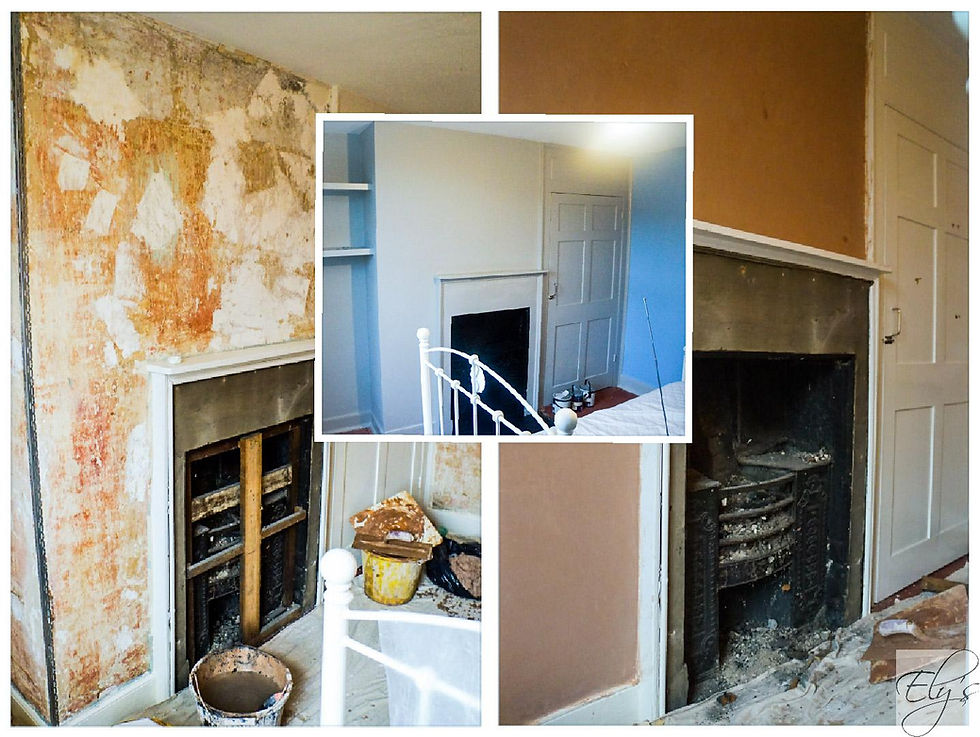
In many cases, yes. Existing plaster or painted walls can often be skimmed, provided the surface is dry, stable and securely bonded. Before applying new plaster, the wall may need cleaning, preparation and a suitable bonding treatment to help the new finish adhere properly.
Wallpaper should always be removed before plastering. It can hide underlying issues and does not provide a suitable surface for new plaster. Once removed, it's common to uncover problems such as:
Hairline cracks
Loose or hollow plaster
Previous repairs
Adhesive residue
Damp staining
Uneven surfaces
A professional plasterer will inspect the walls to determine whether a simple skim is suitable or whether repairs or replastering are needed first. Taking the time to assess the condition of the existing surface helps ensure a smooth, long-lasting finish.
What Should A Plastering Quote Include?
A useful quotation should explain what work will be completed rather than giving only a single total.
Look for details covering:
The surfaces included
Preparation work
Repairs or plasterboard installation
Materials
The intended finish
Estimated timescale
Waste removal
Any items the homeowner must move or arrange
Payment expectations
Ask whether unexpected damage will be discussed before additional work is carried out.
Clear quotations reduce misunderstandings and make it easier to compare like with like.
Common Budgeting Mistakes To Avoid
Pricing By Room Size Alone
Dimensions are useful, but surface condition often has a greater influence on cost. A small room with damaged plaster may require more work than a larger room with sound walls.
Choosing The Cheapest Total
A low quote may exclude repairs, materials, waste or preparation. Compare the written scope of work as well as the final amount.
Ignoring The Cause Of Damage
Cracks and damp staining can return if the underlying issue is not resolved. Ask whether another trade or further investigation is needed before plastering begins.
Booking Decorating Too Soon
Fresh plaster needs time to dry. Allow flexibility between plastering and painting rather than arranging the next stage too tightly.
Removing Everything Without Advice
Loose wallpaper should be removed, but avoid pulling down ceilings or disturbing old textured coatings without understanding what they contain and whether specialist precautions are required.
Is DIY Plastering Worth It?
Small filling and patching jobs may be manageable for an experienced DIYer. Achieving a smooth, consistent finish across a full wall or ceiling is considerably harder.
Plaster has a limited working time, and mistakes can leave ridges, hollows, trowel marks or uneven edges. Correcting an unsuccessful skim may require sanding, filling or replastering, which can increase the overall cost.
Professional help is usually worth considering when:
A whole room needs skimming
Ceilings are involved
Existing plaster is loose
Walls are badly uneven
The property requires specialist materials
The finish will be highly visible
Several repairs need to blend into one surface
Frequently Asked Questions
Is Plastering Priced Per Day Or Per Square Metre?
Either method may be used, but many quotations are based on the complete project. A fixed project price can account for preparation, complexity, materials and access more accurately than a simple square-metre calculation.
Does A Plastering Quote Include Materials?
It often does, but you should confirm this. Ask whether plaster, plasterboard, bonding products, protective materials and waste disposal are included.
Is Skimming Cheaper Than Replastering?
Usually. Skimming adds a thin finishing coat over a suitable existing background. Replastering involves more preparation or rebuilding, so it normally takes longer and uses more materials.
Should I Remove Wallpaper Before The Quote?
Removing it can help reveal the true wall condition. However, old wallpaper may hide loose plaster, so allow for the possibility that the scope could change once the wall is exposed.
Can I Paint Fresh Plaster Straight Away?
No. It needs to dry fully first. The time required depends on the room conditions and thickness of the plaster. Follow the plasterer’s advice before applying any paint system.
Why Do Plastering Quotes Vary So Much?
Different quotes may cover different levels of preparation, materials and repairs. Experience, regional labour costs, access and the expected finish can also affect the total.
Plan Your Plastering Project With Confidence
The cost of plastering depends on far more than the dimensions of the room. Wall condition, preparation, ceiling work, access and the type of finish all influence the final quotation.
Use national pricing guides to establish an initial budget, then request a written quote based on the actual condition of your property. A clear assessment at the beginning can help you avoid unexpected costs and achieve a surface that is ready for the next stage of your project.


Comments