
Renovating a Period Home in Bath? 5 Things You Need to Know About Lime Plastering

Renovating a period property in Bath comes with a very different set of considerations compared to modern homes. Materials behave differently, structures need to breathe, and making the wrong choices can lead to long-term damage rather than improvement. One of the most important elements to understand is lime plastering, particularly in older Georgian and Victorian properties where traditional construction methods still play a key role.
Building on years of experience providing renovation and building services in Bath, we have put together the key things you need to understand before starting any work involving lime plaster, helping you avoid common mistakes and make informed decisions from the outset.
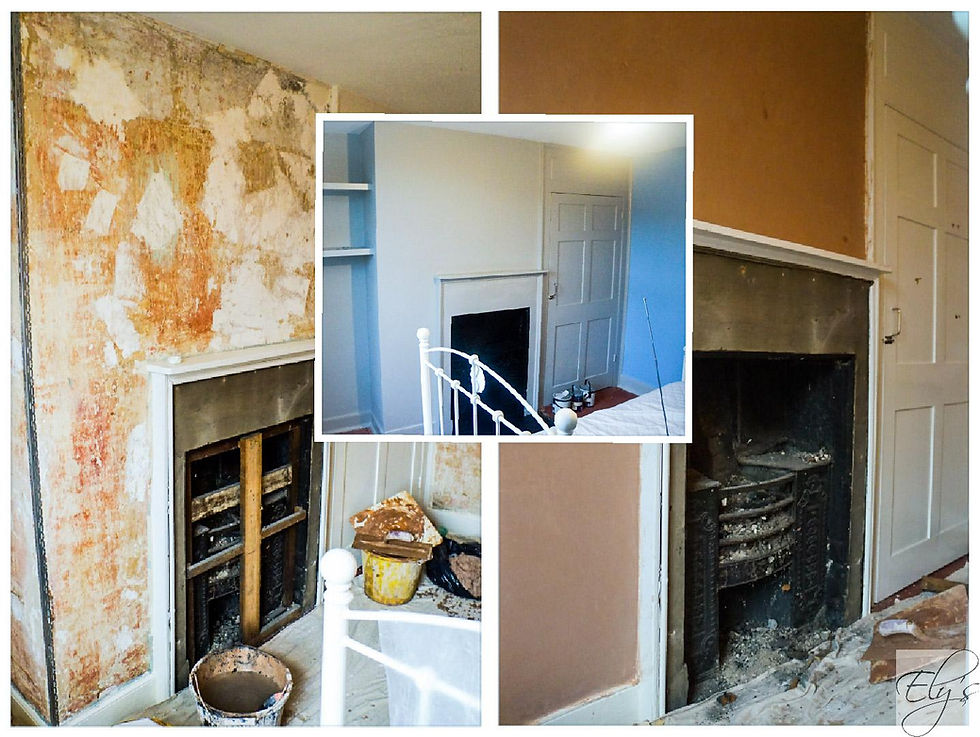
Understanding Lime Plaster: Why It Matters in Period Properties
Lime plaster is very different from modern gypsum-based alternatives. It is breathable, flexible, and designed to work with older building materials such as stone and solid brick walls.
Allows moisture to evaporate naturally
Reduces the risk of trapped damp
Adapts to minor structural movement
Supports the long-term health of the building
Using the wrong materials in place of lime plaster can lead to damp issues, cracking, and deterioration over time.
Understanding how plastering services are carried out using traditional methods can help you better plan your renovation and avoid costly corrections later.
Not All Walls Should Be Treated the Same; Knowing Where Lime Is Needed
One of the most common mistakes in period renovations is assuming all walls can be treated in the same way. In reality, different parts of the property may require different approaches.
External walls often need breathable finishes
Internal partitions may allow for alternative materials
Solid walls behave differently from cavity walls
Previous renovations can affect how materials perform
This is where experience becomes essential, particularly when assessing how past alterations may have changed how the building behaves.
Preparation Is Critical; Getting the Surface Right Before Plastering
Before lime plaster can be applied, surfaces need to be properly prepared. This stage is often overlooked but plays a major role in how well the final finish performs.
Removing unsuitable modern materials
Repairing damaged masonry
Preparing uneven or unstable surfaces
Applying appropriate base coats
Preparation directly affects both durability and appearance. Seeing how these stages come together in real projects through the project gallery can help visualise the process more clearly.
Combining Trades for Better Results; A More Complete Renovation Approach
Lime plastering rarely exists in isolation. In most period renovations, it forms part of a wider process that involves multiple trades working together to achieve the best result.
Carpentry may be needed to repair structural elements
Tiling may be required in kitchens or bathrooms
Painting and decorating must use breathable finishes
General building work ensures structural integrity
Combining these services properly helps ensure consistency across the entire project rather than creating mismatched finishes or future issues.
You can explore how different elements come together through carpentry, tiling, and painting and decorating services.
Lime Plaster Takes Time; Understanding the Process and Drying Stages
Unlike modern plaster, lime plaster cannot be rushed. It requires time to cure properly, and each stage must be allowed to settle before moving forward.
Slower drying times compared to gypsum
Multiple layers are applied gradually
Environmental conditions affect curing
Patience leads to better long-term results
Trying to speed up the process can compromise both the finish and the structural benefits of the material.
Finishing Matters; Protecting the Breathability of Your Walls
Once lime plaster has been applied, the finishing stage is just as important as the preparation. Using the wrong paints or finishes can undo the benefits of breathable materials.
Use breathable paints such as limewash or clay-based finishes
Avoid modern vinyl-based paints
Maintain airflow within the property
Ensure finishes complement the original structure
This stage is often where modern materials conflict with traditional construction, so careful selection is essential.
Common Mistakes to Avoid When Using Lime Plaster
Even well-planned renovations can run into issues if lime plaster is not handled correctly.
Applying modern plaster over solid walls
Skipping proper preparation stages
Using non-breathable paints
Rushing drying and curing times
Not understanding how the building manages moisture
Avoiding these mistakes can significantly improve both the lifespan and appearance of your renovation.
Frequently Asked Questions About Lime Plastering
Is lime plaster better than modern plaster?
It depends on the property. Lime plaster is better suited to older buildings that require breathable materials.
How long does lime plaster take to dry?
It takes longer than modern plaster, often several days or weeks depending on conditions and layers.
Can lime plaster help with damp issues?
It can help manage moisture by allowing walls to breathe, but underlying issues should still be addressed.
Is lime plaster more expensive?
It can be more labour-intensive, but it helps prevent long-term damage in period properties.
Can you paint over lime plaster?
Yes, but only with breathable finishes such as limewash or specialist paints.
For more general renovation guidance, you can explore additional insights in the frequently asked questions section.
Renovating a Period Property the Right Way; Planning for Long-Term Results
When working on a period home, every decision should be made with the long-term condition of the property in mind. Lime plastering is just one part of a much wider process that requires the right materials, planning, and experience.
At Elys Bath Builder, we provide a full range of building services in Bath to ensure your project is completed safely, correctly, and in a way that respects the original structure of your home. From initial planning through to final finishes, each stage is handled with care and attention to detail.


Comments